
From Bottling Up to Opening Up: A reflection for those hoping to live more authentically
In many cultures, boys and men are taught that if they remain strong and emotionless, they’ll live happier, more meaningful lives. But the research tells us being emotionless is more likely to weaken men’s mental health.
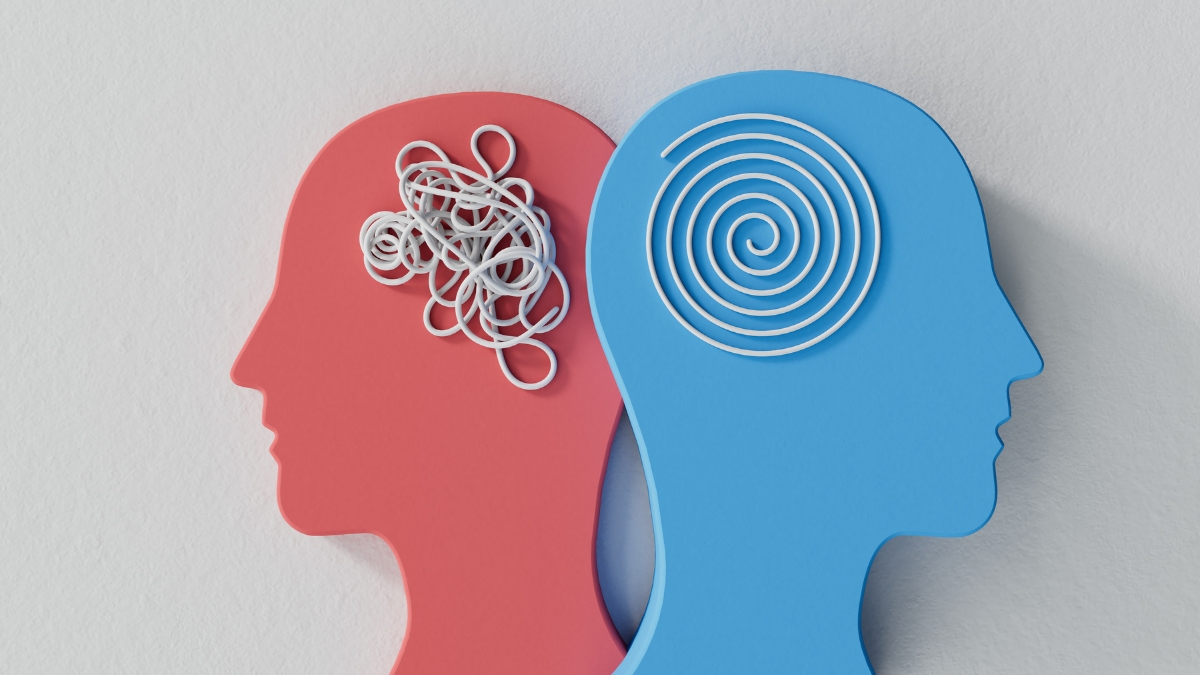
Since the 1980s, hundreds of studies have been conducted to find out how men fared when they tried especially hard to keep a lid on their emotions. It turns out that men who feel compelled to limit how they express their emotions to fit social expectations, experience greater risk of anxiety, depression, substance use, and overall psychological distress.
Unfortunately, many men feel unable to be more open about their emotions because it could go against norms for how men are “supposed” to behave, which leads to a fear of being judged or even punished in some way for expressing vulnerability. This fear can lead men to adhere to a rigid script around what feelings are acceptable to share (e.g. anger) and what feelings need to be hidden (e.g. fear, sadness).
Looking inward
Men deserve to live in ways that feel genuine and true to who they are, which means worrying less about what cultural messages prescribe as “the norm” and focusing more on being real and honest about their inner experiences with people whom they can trust. Living authentically offers men greater flexibility and freedom, meaning deeper relationships, more joy, and less shame. The first step in living a more emotionally-authentic life is to tune into what emotions are happening within you, and develop a more accepting stance toward those feelings. Take the following steps to become more open to your emotions.
At this moment, you’re likely experiencing some kind of feeling. Take 15 to 30 seconds to close your eyes, and tune into that feeling. First, simply notice whatever is there. Bring your awareness to it, taking a stance of curiosity. Then, try labeling whatever emotion is there and see if you can identify places in your body where you’re feeling it. Maybe a sinking feeling in your stomach or tension in your shoulders. Note that the only goal is to simply and objectively label whatever you notice, as in, “This feels like anxiety,” for example. The goal is not to evaluate it as good, bad, right, or wrong. Think of emotions as being data. They’re simply another source of information about what’s happening within. There’s no judgment needed.
The point of this exercise isn’t to make negative feelings go away or to create more relaxation, although sometimes that can happen. Instead, practicing awareness can bring you closer to opening up in all situations, so that feelings have a lot less control over how you act. This translates to feeling more comfortable experiencing these emotions and even sharing them with others, in service of more intimate relationships. Remember that the willingness to do something that feels new and awkward—but worthwhile!— is courageous and the ultimate sign of strength.